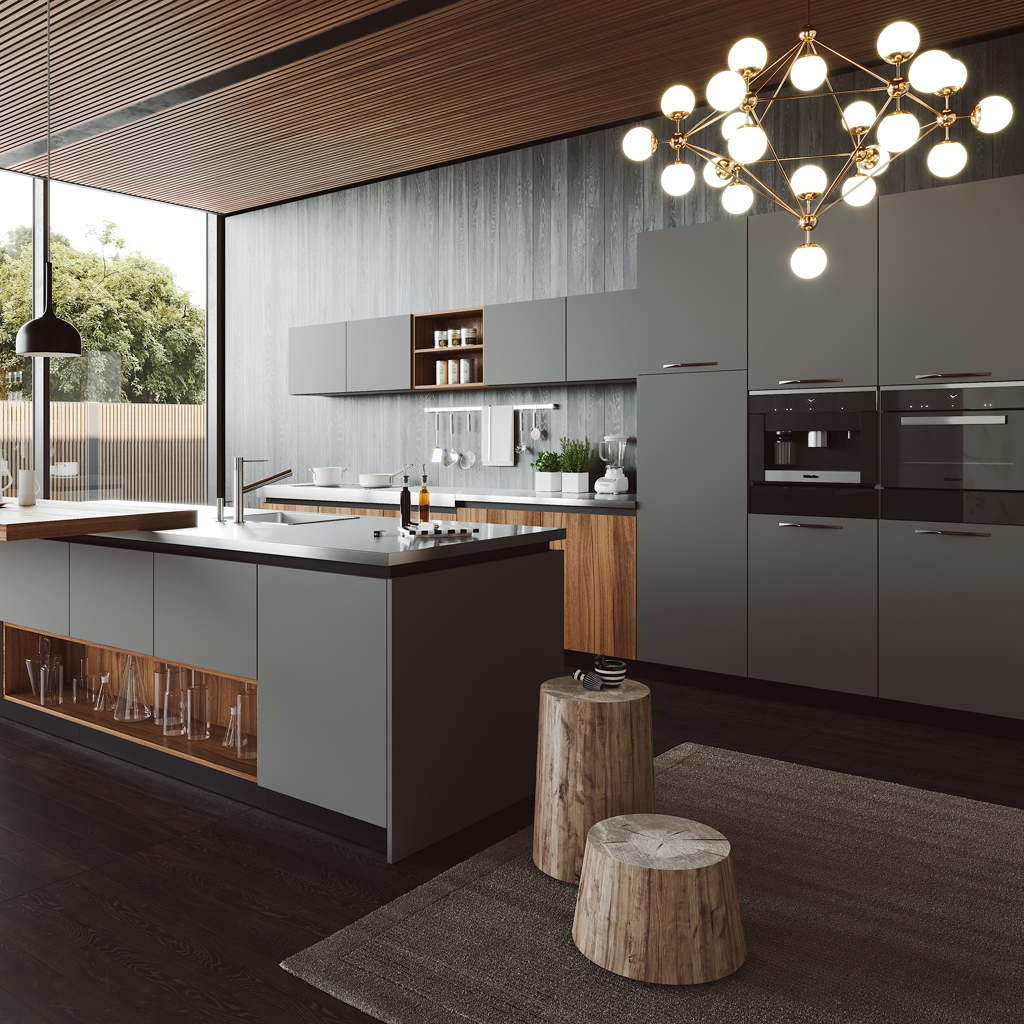
How to plan your kitchen renovation step by step
Renovating the kitchen is one of the most important investments in the home. Not only does it involve a considerable financial outlay, but it will also shape your day-to-day life for years. That is why good planning is key to avoiding mistakes, controlling the budget, and achieving a functional, long-lasting kitchen adapted to your lifestyle.
If you are thinking of updating your space, you can explore different options for bespoke kitchens tailored to every need and style.
In this comprehensive guide, you will discover how to plan your kitchen renovation step by step, what aspects to consider before starting, and how to make the best decisions at each stage of the process.
1. Define your needs before renovating the kitchen
Before thinking about design or materials, it is essential to analyse how you currently use your kitchen and what you expect from it in the future.
Ask yourself these key questions:
- How many people use the kitchen on a daily basis?
- Do you cook frequently or only occasionally?
- Do you need a lot of storage space?
- Do you want a purely functional kitchen or also a social space?
Designing a kitchen for a family is not the same as for a single person or a couple. Clearly defining your needs will help you make better decisions from the outset.
2. Analyse the space: measurements, layout and constraints
The available space completely determines the kitchen design. Before starting any renovation, it is essential to take accurate measurements of length, width and height.
You should also consider:
- Location of doors and windows.
- Water and electrical connections.
- Extraction and ventilation systems.
In small kitchens, making the most of every centimetre is key, while in larger spaces you can opt for more open layouts or incorporate an island.
A common mistake is failing to plan enough sockets or lighting points, which can affect long-term functionality.
3. Types of kitchen layouts: which one to choose for your space
The layout is one of the most important factors in a kitchen renovation, as it directly affects comfort and efficiency. The most common options are:
- Linear: ideal for small or open spaces.
- L-shaped: versatile and functional.
- U-shaped: maximises workspace.
- With island: perfect for larger spaces.
The concept of the working triangle (sink, hob and fridge) remains a key reference for achieving an efficient layout. Choosing the right layout will make a real difference to your daily experience.
Choosing the right layout is essential, especially if you are considering options such as kitchens with an island or spaces open to the living room.
4. Kitchen renovation budget: how much it costs and how to calculate it
One of the main concerns is the budget. The cost of renovating a kitchen can vary considerably depending on materials, size and level of customisation.
As a general guide, you can divide the budget into:
- Kitchen units.
- Appliances.
- Worktop.
- Labour.
- Lighting and extras.
It is advisable to add an additional 10% to 15% for unforeseen expenses.
Factors that can increase the cost:
- Changes to installations (water, electricity, gas).
- High-end materials.
- Bespoke units.
- Integrated appliances.
Planning your budget carefully from the beginning will help you avoid unpleasant surprises.
5. What materials to choose for a durable and functional kitchen
The choice of materials should not be based solely on aesthetics. It is essential to consider strength, durability and ease of cleaning. Some common options:
- Worktops: quartz, granite, porcelain.
- Units: laminate, lacquered or wood.
- Wall coverings: ceramic or glass.
If you use your kitchen daily, it is advisable to avoid porous or delicate surfaces that require a lot of maintenance. Choosing the right materials ensures a more durable and functional kitchen in the long term.
In bespoke kitchens, selecting high-quality materials guarantees long-term durability and aesthetics. You can learn more about kitchen materials.
6. How to plan your kitchen lighting
Lighting is key both functionally and aesthetically. A poorly lit kitchen loses comfort and efficiency. There are three basic types of lighting:
- General lighting: illuminates the whole space (ceiling).
- Task lighting: essential in areas such as the worktop.
- Ambient lighting: adds warmth and design.
LED lighting is efficient, long-lasting and highly recommended.
7. Ideas to maximise storage in your kitchen
Storage is one of the most important aspects, especially in small kitchens. To optimise space, you can opt for:
- Pull-out drawers.
- Corner units.
- Floor-to-ceiling cupboards.
- Internal organisers.
Before deciding, ask yourself:
- What do you need to store?
- Do you prefer drawers or doors?
- Do you want tall units or a visually lighter kitchen?
Good storage planning significantly improves functionality. And you can always turn to bespoke kitchen units that make the most of every available centimetre.
8. Kitchen styles: how to choose the ideal design
Design is one of the most exciting stages, but it should always go hand in hand with functionality. Some popular styles:
The important thing is that the style suits your personality and how you use the space, not just current trends.
9. Common mistakes when renovating a kitchen and how to avoid them
Poor planning can cause long-term issues. Some of the most common mistakes are:
- Not planning enough storage.
- Choosing low-resistance materials.
- Neglecting lighting.
- Not considering noise.
- Ignoring maintenance requirements.
For example, in kitchens open to the living room, it is advisable to choose quiet appliances to avoid disturbances. Anticipating these mistakes will allow you to enjoy your kitchen without inconvenience.
10. How long a kitchen renovation takes: timelines and planning
A renovation can take between 2 and 6 weeks depending on its complexity. Factors that influence the timeframe:
- Project size.
- Structural changes.
- Bespoke manufacturing.
It is advisable to have a temporary alternative for cooking during the works.
Designing a bespoke kitchen makes all the difference
Opting for a bespoke kitchen allows you to adapt every element to the available space and your real needs.
- Full use of space.
- Greater storage capacity.
- Customised design.
- Better appliance integration.
This approach achieves the perfect balance between functionality and design.
Advantages of choosing bespoke kitchen units
- Maximum use of space.
- Greater durability.
- Unique and personalised design.
- Perfect appliance integration.
Working with specialised manufacturers ensures a result fully adapted to your home.
Conclusion: planning is key
A well-planned kitchen not only looks good: it works better, lasts longer and adapts to your daily life.
Investing time in this initial phase is the best way to avoid mistakes, optimise the budget and achieve a result that truly meets your expectations.
Working with professionals specialised in bespoke kitchen manufacturing can make all the difference, helping you design a unique, functional space fully tailored to your lifestyle.
Frequently asked questions about kitchen renovations
How much does it cost to renovate a kitchen?
It depends on size, materials and level of customisation, but defining a budget from the outset is essential.
Which layout is best?
L-shaped and U-shaped layouts are highly functional, while kitchens with an island require more space.
Which materials are most durable?
Quartz and porcelain worktops, together with high-quality laminate units, offer excellent durability.
How long does the renovation take?
Between 2 and 6 weeks, depending on the project.