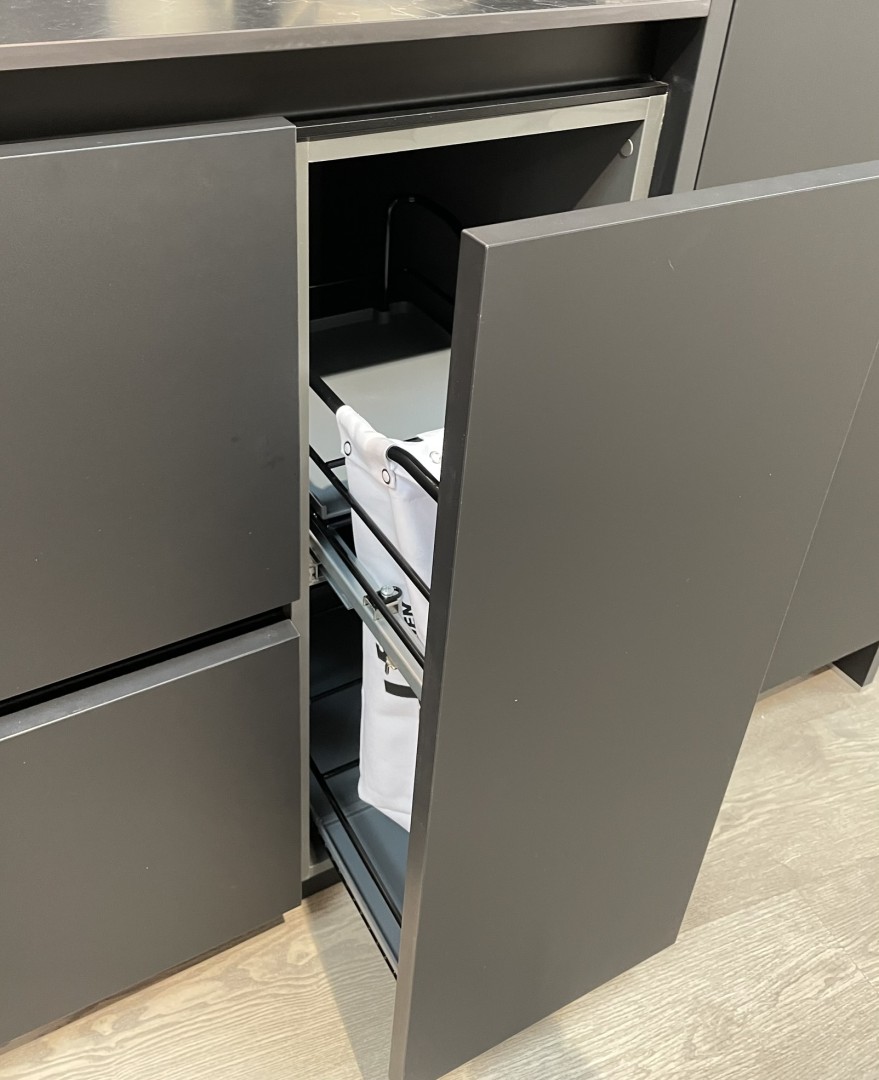
What is the difference between a bespoke kitchen and a modular kitchen?
What is the difference between a bespoke kitchen and a modular kitchen?
When it comes to renovating a kitchen or designing a new home, one of the first decisions to make is whether to choose a bespoke kitchen or a modular kitchen.
At first glance, they may seem like similar options, as both allow you to create a functional kitchen adapted to the needs of your home. However, there are important differences that affect aspects such as the use of space, customisation, available materials and design flexibility.
Choosing one option over the other does not depend solely on the budget. It is also important to consider how you use the kitchen, the characteristics of the room and the result you hope to achieve.
In this guide, we explain what a bespoke kitchen is, what a modular kitchen is and the main differences between the two to help you make an informed decision.
What is a bespoke kitchen?
A bespoke kitchen is a kitchen specifically designed to adapt to each client's dimensions, needs and lifestyle.
Unlike standardised solutions, each project starts with a personalised assessment of the available space. This makes it possible to make the most of every corner, even in rooms with irregular shapes, sloping ceilings, pillars or architectural features that could limit other options.
But a bespoke kitchen does not only adapt to the space. It also adapts to the people who will use it.
During the design process, aspects such as the following can be defined:
- The most suitable layout for the room.
- The number and type of units.
- Storage capacity.
- Materials and finishes.
- The type of worktop.
- Opening systems.
- The integration of appliances, if the client so wishes.
The result is a completely customised kitchen, designed to meet both the functional needs and the decorative style of each home.
Advantages of a bespoke kitchen
One of the main advantages of this type of kitchen is the freedom of design.
There are no limitations imposed by standard measurements, so virtually any space can be optimised.
In addition, a bespoke kitchen allows you to:
- Make the most of every available centimetre.
- Create a completely customised layout.
- Choose from a wide variety of materials and finishes.
- Adapt the storage to the home's actual needs.
- Achieve greater integration with the rest of the home.
All of this contributes to creating a more functional, comfortable kitchen that is ready for everyday use.
When is it particularly recommended?
Although a bespoke kitchen can be installed in any home, there are situations in which it offers particular value.
For example:
- Homes with irregular spaces.
- Small kitchens where it is necessary to make the most of every centimetre.
- Full renovations.
- New-build homes where a completely customised design is desired.
- Open-plan kitchens.
- Homes with specific storage or layout requirements.
In all these cases, having a project designed from scratch makes it possible to find solutions that would be difficult to achieve using standardised elements.
What is a modular kitchen?
A modular kitchen is made up of units manufactured to standard measurements that can be combined to create different configurations.
Instead of designing each element specifically for a home, the project is configured using predetermined modules that adapt, to a greater or lesser extent, to the available space.
This system offers a wide variety of configurations and allows functional kitchens to be created for many types of homes.
Today, manufacturers offer numerous modules, finishes and accessories, so a modular kitchen can provide a good level of customisation within the available options.
How does a modular kitchen work?
The design starts from a catalogue of units with predefined dimensions.
These modules are combined to create the kitchen layout.
When the dimensions of the room match the standard measurements, this system can deliver very satisfactory results.
However, when there are pillars, complex corners, walls that are not square or unusual dimensions, there may be spaces that are difficult to use fully.
In these cases, finishing elements or complementary solutions are often required to adapt the configuration.
Advantages of a modular kitchen
Modular kitchens also offer a number of advantages worth knowing about.
These include:
- A wide variety of configurations.
- Design based on previously developed solutions.
- A wide catalogue of finishes and accessories.
- The ability to adapt to many types of homes.
- A planning process based on standardised modules.
Therefore, they can be an interesting option for certain projects, particularly when the kitchen dimensions fit the available measurements well.
Bespoke or modular kitchen: a decision that goes beyond design
It is common to think that the main difference between the two types of kitchen lies solely in their appearance.
However, the real difference lies in how each project adapts to the space and to the people who will use it.
While a modular kitchen starts from predefined measurements, a bespoke kitchen begins by analysing the specific characteristics of the home and the needs of those who will use it.
This approach makes it possible to consider aspects such as movement, storage, ergonomics and layout before defining each of the elements that will make up the kitchen.
Therefore, rather than choosing between two types of units, the decision is about assessing which solution best meets the needs of each project.
Main differences between a bespoke kitchen and a modular kitchen
Although both options allow you to create a practical and attractive kitchen, there are important differences worth knowing before making a decision.
The choice should not be based solely on the budget, but also on the available space, the desired level of customisation and how the kitchen will be used over the coming years.
The following table summarises the main differences between the two types of kitchen:
| Aspect | Bespoke kitchen | Modular kitchen |
|---|---|---|
| Adaptation to the space | Specifically designed for the dimensions and characteristics of the home. | Adapted using modules with standard measurements. |
| Customisation | Very high. Allows you to choose the layout, materials, finishes and storage solutions. | Limited to the options and configurations available in the catalogue. |
| Use of space | Maximum use of every centimetre, even in irregular spaces. | May leave residual spaces or require adjustment elements. |
| Layout | Fully customised according to the needs of the project. | Determined by the measurements and combinations of the modules. |
| Materials and finishes | Great freedom of choice between different materials, colours and finishes. | Options defined by the manufacturer's catalogue. |
| Storage | Designed to adapt to the habits and needs of each household. | Based on standardised modules with predefined options. |
| Design flexibility | Very high, allowing completely customised solutions. | Medium, depending on the available configurations. |
| Integration with the home | Excellent, as the project adapts to the architecture and style of the home. | Good, although constrained by the standard dimensions of the modules. |
| Recommended type of project | Ideal for those looking for a unique, customised and optimised kitchen. | Suitable for projects that fit modular solutions well. |
As can be seen, both alternatives can deliver good results, but they meet different needs.
While a modular kitchen starts from predefined solutions, a bespoke kitchen allows a project to be developed that is completely adapted to the space and to each family's way of living.
Advantages of a bespoke kitchen
Bespoke kitchens stand out for their ability to adapt both to the space and to the needs of those who use them.
Here are some of their main advantages.
Making full use of the space
One of the greatest benefits is the ability to make use of virtually every available centimetre.
This is particularly useful in homes with pillars, columns, irregular walls or sloping ceilings.
Instead of adapting the space to the units, the units adapt to the space.
Completely customised design
Each kitchen is developed from scratch, taking the client's preferences into account.
This makes it possible to define the layout, style, finishes, storage capacity and all the details that will ensure the kitchen genuinely meets the needs of the home.
Greater freedom to choose materials
Bespoke kitchens offer a wide range of possibilities in terms of materials and finishes.
The client can choose the type of doors, worktop, opening systems, cabinet interiors and numerous elements that help create a completely customised kitchen.
Adaptation to your lifestyle
Not every family uses the kitchen in the same way.
Some people cook every day, some need plenty of storage space, while others use the kitchen as a gathering place.
A bespoke project allows the kitchen to be designed around these habits, creating more comfortable and functional spaces.
Greater sense of integration
As it is designed specifically for the home, the kitchen achieves greater continuity with the rest of the décor and makes better use of the architectural features of the space.
Advantages of a modular kitchen
Modular kitchens also offer advantages that may be of interest depending on the characteristics of the project.
Wide variety of configurations
Although they are based on standard modules, manufacturers usually offer numerous combinations that allow kitchens to be adapted to different layouts.
Previously developed solutions
The modules are designed to be combined easily, simplifying project planning.
Wide range of finishes
There are now numerous options for colours, handles, interiors and accessories that allow the appearance of a modular kitchen to be customised within the possibilities offered by the catalogue.
A good option for certain layouts
When the room has regular dimensions and fits well with the available measurements, a modular kitchen can provide a functional and balanced result.
Which option makes better use of space?
If the aim is to make the most of every corner, bespoke kitchens generally offer greater adaptability.
As they are designed specifically for each home, it is possible to make use of areas that could otherwise be wasted with a modular system.
This is particularly important in situations such as:
On the other hand, when the room has a simple layout and dimensions that fit standard measurements well, a modular kitchen can also make good use of the available space.
Which option offers greater customisation?
Customisation is probably one of the areas where the two types of kitchen differ most.
In a modular kitchen, the possibilities are determined by the manufacturer's catalogue.
In a bespoke kitchen, virtually every element of the project can be adapted to the client's preferences.
This includes aspects such as:
This flexibility makes it possible to create spaces that meet not only aesthetic criteria but also real usage needs.
Does the budget influence the decision?
The budget is one of the factors many people consider when choosing between a bespoke kitchen and a modular kitchen.
However, it is worth considering the project as a whole rather than basing the decision solely on the initial cost.
Factors such as use of space, material quality, durability, functionality and the level of customisation also contribute to the value of a kitchen.
In addition, the price of a kitchen will depend on multiple factors, regardless of the system chosen.
If you would like to know which elements affect the budget and see indicative price ranges, we recommend reading our article about how much a bespoke kitchen costs, where we examine this aspect in greater detail.
Which is the best option?
The answer will depend on each project.
There is no universally better solution.
The most suitable choice will be the one that adapts to the available space, the lifestyle of those who will use the kitchen and the functional needs of the home.
For precisely this reason, before making a decision, it is advisable to assess the project individually and consider which alternative will deliver the best long-term result.
Which type of kitchen should you choose for your home?
As we have seen, both bespoke and modular kitchens can be a good choice. The decision will depend on the available space, the level of customisation you are looking for and how you use your kitchen day to day.
Below, we show you the situations in which each option tends to be the best fit.
If your kitchen has an irregular space
Homes do not always have perfectly rectangular rooms. It is common to find pillars, columns, sloping ceilings, windows in unusual locations or walls that make furniture installation more difficult.
In these cases, a bespoke kitchen allows each element to be adapted to the characteristics of the room, making the most of the available space.
If you have a small kitchen
When every centimetre counts, good planning makes all the difference.
A bespoke kitchen allows you to optimise storage, eliminate wasted spaces and create a layout adapted to the needs of the home.
If this is your situation, you may also be interested in our article about how to make the most of space in a small kitchen, where you will find tips for making the most of this type of room.
If you are looking for a completely customised design
Every home has a different style.
If you want the freedom to choose the materials, finishes, layout and details of your kitchen, a bespoke solution offers greater customisation.
This allows you to create a space that reflects your tastes and integrates with the rest of the home.
If the room fits standard measurements well
When the kitchen has regular dimensions and the layout fits easily with standardised modules, a modular kitchen can meet the project's needs effectively.
There are now numerous configurations that make it possible to create functional kitchens with a wide variety of finishes.
Factors you should consider before making a decision
Beyond the type of kitchen, it is worth considering a number of factors that will influence the final result of the project.
The available space
The dimensions of the kitchen affect the layout, storage and movement.
Before choosing a solution, it is advisable to carefully assess the room and consider how to make the best possible use of it.
Your usage habits
Not everyone uses the kitchen in the same way.
Some people cook every day, others need large storage areas, while others prefer open spaces where they can cook and spend time with their family.
Designing the kitchen around these habits will help create a much more practical space.
The level of customisation
If you want a kitchen that is fully adapted to your preferences, it is important to consider how far you want to customise the design.
The layout, finishes, internal organisation of the units and choice of worktop are all aspects that can make a significant difference.
Long-term functionality
A kitchen will usually be with us for many years.
Therefore, as well as its appearance, it is worth considering how it will meet the needs of the home over time.
Good planning can help ensure that the kitchen remains comfortable, practical and functional for much longer.
So, which option is better?
There is no single answer.
A modular kitchen can be a suitable solution for many projects and deliver a satisfactory result when the space fits the available measurements well.
On the other hand, a bespoke kitchen stands out for its ability to make the most of every corner and adapt completely to both the home and the people who will use it.
The best choice will be the one that meets the real needs of each home, taking into account aspects such as available space, functionality, the level of customisation and the way of life of those who will enjoy the kitchen every day.
Conclusion
Choosing between a bespoke kitchen and a modular kitchen is an important decision that will affect comfort, functionality and use of space for many years.
Both options can deliver good results, but they have significant differences in terms of customisation, adaptation to the space and design flexibility.
Therefore, before starting a project, it is advisable to analyse the characteristics of the home, the needs of those who will use the kitchen and the objectives you want to achieve.
At Kitchen Grup, we design each project taking these aspects into account to create kitchens that combine design, functionality and quality, adapting to each client's needs.
Frequently asked questions about bespoke and modular kitchens
Is a bespoke kitchen always more expensive than a modular kitchen?
Not necessarily. The price of a kitchen depends on numerous factors, such as the materials, worktop, finishes, kitchen size and accessories chosen. Therefore, it is advisable to consider the project as a whole rather than just the initial cost.
Can a modular kitchen be customised?
Yes. Modular kitchens offer different configurations, finishes and accessories. However, the customisation possibilities will be limited by the modules and options available in the manufacturer's catalogue.
Which option makes better use of space?
In homes with irregular spaces or where every centimetre needs to be optimised, a bespoke kitchen usually makes better use of space by adapting completely to the dimensions of the room.
Which type of kitchen lasts longer?
Durability will depend mainly on the quality of the materials, manufacturing, installation and maintenance, rather than on whether the kitchen is bespoke or modular.
Which option is better for a small kitchen?
It will depend on the characteristics of the space. However, a bespoke kitchen usually allows for better use of storage and a more suitable layout when dimensions are limited.
Can appliances be integrated into both types of kitchen?
Yes. Both bespoke and modular kitchens can incorporate integrated appliances. The choice will depend on the needs of the project and the client's preferences.
What should I consider before choosing a kitchen?
Before making a decision, it is advisable to consider the available space, budget, storage needs, desired level of customisation, materials, layout and how the kitchen will be used each day.