Cleaning kitchen furniture
A clean and tidy kitchen is not only pleasing to the eye, but also a more hygienic and safe space for cooking and eating. Kitchen furniture, as it is exposed to splashes, grease and dust, requires regular cleaning to maintain its good condition and prevent the appearance of stains and damage.
In this complete and detailed guide from Kitchen Grup, we will provide you with all the steps and tips necessary to clean your kitchen furniture effectively and safely, regardless of the material from which it is made. In addition, we will offer further information on different types of materials, home cleaning remedies, recommended cleaning products and tips to prevent the appearance of stains.
Materials needed to clean kitchen furniture
Before you start cleaning your kitchen furniture, make sure you have the following materials to hand:
Essential:
- Microfibre cloths: They are soft and absorbent, ideal for cleaning without scratching surfaces.
- Lukewarm water: Hot water helps dissolve grease and dirt, while cold water can cause dirt to adhere to the surface.
- Neutral pH liquid soap: Choose a mild, fragrance-free soap to avoid damaging the furniture finish.
Optional (depending on the type of material and stains):
- White vinegar: Vinegar is a natural and effective disinfectant that can also help remove stains.
- Bicarbonate of soda: Bicarbonate of soda is a gentle abrasive that can be used to remove stubborn stains.
- Specific cleaner for lacquered doors: If you have lacquered doors, it is advisable to use a cleaner specifically designed for this type of material.
- Specific cleaner for stainless steel: If you have stainless steel appliances or worktops, as in the case of our avant-garde kitchen, you can use a specific cleaner for this material to remove stubborn stains.
- Rubber gloves: Protect your hands from water, soap and other cleaning products.
Preparing the work area
Before you begin cleaning, make sure you clear the work area so you have enough space to move around and avoid accidents. Remove all items from cupboards and drawers, and cover the floor with newspapers or old cloths to protect it from splashes.
General cleaning instructions
- Empty cupboards and drawers: Remove all items from cupboards and drawers to make cleaning easier. This will allow you to access all surfaces and clean them thoroughly.
- Remove dust and dirt: Use a dry cloth or a vacuum cleaner with a soft brush to remove loose dust and dirt from furniture surfaces. Pay attention to corners, edges and areas where dirt tends to accumulate.
- Prepare a cleaning solution: Mix lukewarm water with neutral liquid soap in a container. The proportion of water and soap will depend on how dirty the furniture is. If the dirt is light, you can use less soap. If the dirt is heavier, you can add a little white vinegar or bicarbonate of soda to the solution.
- Dampen a microfibre cloth: Dip the microfibre cloth into the cleaning solution and wring it out well to remove excess liquid. A cloth that is too wet can leave water marks on surfaces.
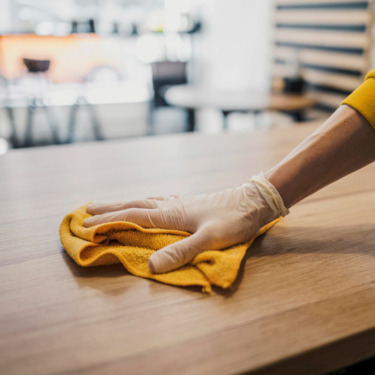
- Clean the furniture surfaces: Wipe the damp cloth over the furniture surfaces, paying attention to corners, edges and areas where dirt builds up. Clean each section systematically to ensure no area is left uncleaned.
- Rinse the cloth: Rinse the microfibre cloth frequently with clean water to remove dirt and soap. This will prevent dirt from being redeposited on the furniture surfaces.
- Dry the surfaces: Dry the furniture surfaces with a dry cloth to avoid the formation of water marks. It is important to dry all surfaces thoroughly, especially corners and edges, to prevent mould from appearing.
Cleaning instructions by material type
How to clean wooden kitchen furniture
Follow the general cleaning steps described above. Use a mild cleaning solution and a damp cloth to clean the surfaces. Dry the surfaces thoroughly after cleaning.
Additional care: You can apply wood oil or wax once or twice a year to maintain the shine and protection of the furniture. Make sure you choose an oil or wax suitable for the type of wood in your furniture.
How to clean lacquered doors
First carry out a general cleaning as described above, then you can use a specific cleaner for lacquered doors and a soft cloth to clean the surfaces. Do not use abrasive products or scouring pads, as they can damage the finish. Dry the surfaces thoroughly after cleaning.
Additional care: You can apply a specific polish for lacquered doors to maintain the shine and protection of the finish. Follow the manufacturer’s instructions for correct application.
A very common question is:
Can lacquered doors be cleaned with ammonia?
It is not recommended to clean lacquered doors with ammonia, as this product can be too aggressive for this type of material. Ammonia is an alkaline product that can dissolve the protective layer of lacquered doors, leaving them dull and matt. In addition, it can cause the colour of the doors to yellow or fade.
Alternatives to ammonia for cleaning lacquered doors:
- Neutral liquid soap: Dilute a little neutral liquid soap in lukewarm water and use a soft cloth to clean the doors. Dry the surfaces thoroughly after cleaning.
- White vinegar: Mix white vinegar with water in equal parts and apply the solution to the doors with a soft cloth. Leave it to act for a few minutes and then rinse with clean water. Dry the surfaces thoroughly after cleaning.
- Specific cleaner for lacquered doors: There are specific cleaners on the market for lacquered doors that are gentler and more suitable for this type of material. Follow the manufacturer’s instructions for correct application.
How to clean stainless steel in your kitchen
Stainless steel is a popular material in kitchens due to its resistance, durability and ease of cleaning. However, to maintain its shine and impeccable appearance, it is important to clean it properly. Below, we present a complete guide on how to clean stainless steel in your kitchen:
Cleaning steps:
- Remove loose dirt: Use a dry cloth or a vacuum cleaner with a soft brush to remove loose dirt, dust and crumbs from stainless steel surfaces.
- Prepare a cleaning solution: Mix lukewarm water with neutral pH liquid soap in a container. If the dirt is light, you can use less soap. If the dirt is heavier, you can add a little white vinegar or bicarbonate of soda to the solution.
- Dampen a microfibre cloth: Dip the microfibre cloth into the cleaning solution and wring it out well to remove excess liquid.
- Clean the surfaces: Wipe the damp cloth over the stainless steel surfaces, paying attention to corners, edges and areas where dirt builds up. Clean each section systematically to ensure no area is left uncleaned.
- Rinse the cloth: Rinse the microfibre cloth frequently with clean water to remove dirt and soap.
Additional tips:
- Clean stainless steel regularly: To prevent the build-up of dirt and grease, it is advisable to clean stainless steel at least once a week. This will make cleaning easier and prevent difficult stains from forming.
- Clean in the direction of the grain: When cleaning stainless steel, it is important to follow the direction of the metal grain. This will help prevent scratches.
- Avoid abrasive products: Do not use hard sponges, scouring pads or abrasive products to clean stainless steel, as they can scratch the surface.
- Dry surfaces thoroughly: It is important to dry stainless steel surfaces well after cleaning to avoid the formation of water marks.
- Be careful with certain products: Some products, such as chlorine, balsamic vinegar or lemon juice, can damage the finish of stainless steel. Avoid using these products on stainless steel surfaces in your kitchen.
How to clean natural stone worktops
Natural stone worktops, such as granite, marble and quartzite, are a popular choice in kitchens due to their beauty, durability and resistance. However, like any other material, they require proper care to maintain their good condition and appearance. Below, we present a complete guide on how to clean natural stone worktops, adapting the information to each specific type of material:
Granite worktops:
- Granite is a resistant material that can withstand cleaning with stronger products. However, it is important to avoid excessive use of vinegar, as it can erode the surface.
- For stubborn stains, you can use a paste of bicarbonate of soda and water. Leave the paste to act for a few minutes and then wipe it off with a damp cloth.
Marble worktops:
- Marble is a more delicate material than granite and requires special care.
- Use a specific marble cleaner for regular cleaning.
- Avoid using vinegar, bicarbonate of soda and other abrasive products, as they can damage the marble surface.
- Dry the surface thoroughly after each cleaning to avoid the formation of water marks.
Quartzite worktops:
- Quartzite is a very resistant material similar to granite.
- You can use the same cleaning methods as for granite.
Keeping kitchen furniture clean is not only important for aesthetics, but also for hygiene and health. By following the steps and tips described in this complete guide from Kitchen Grup, a kitchen furniture manufacturer, you will be able to clean your kitchen furniture effectively and safely, regardless of the material from which it is made. Remember that regular cleaning and the use of appropriate cleaning products are key to keeping your kitchen furniture in good condition for many years.